
After a pet-food recall, stop feeding the product, dispose of or return it as directed, then clean bowls, scoops, storage bins, mats, counters, and any surface the food or your hands touched. Wash first to remove residue. Disinfect afterward using a method safe for the item’s material and exactly according to the product label.
Pet food can expose both animals and people. Germs may travel from the bag to a scoop, freezer handle, phone, bowl, floor, and human food-preparation area. A complete cleanup follows that route instead of washing only the feeding dish.
Start with the recalled food
- Confirm the brand, product, size, lot, UPC, and dates against the official notice.
- Stop feeding it to every pet in the home.
- Photograph the label and purchase details.
- Seal the food and wrappers as directed; do not donate or resell them.
- Keep children, pets, and wildlife away from the waste.
- Contact the company about the stated refund or disposal process.
Do not pour contaminated kibble or raw food loosely into household trash. Do not rinse raw pet food down the sink. If the recall notice gives special handling instructions, those instructions take priority.
Make a contact map
List everything used during feeding: bowl, water dish, scoop, measuring cup, can opener, scissors, storage bin, feeding mat, freezer shelf, refrigerator handle, counter, sink, faucet, cabinet pull, and phone. Include surfaces touched while your hands were contaminated.
For raw or frozen food, check thawing containers and any shelf or drawer that held leaking packages. For dry food, crumbs and dust may remain in the bin lid, hinge, corners, and scoop handle.
How to wash bowls and utensils
The FDA advises washing pet-food bowls and scooping utensils with hot, soapy water after each use. CDC guidance recommends cleaning bowls after every use with wet food and daily for dry food and water. Use a dishwasher if the item is dishwasher-safe and a high-temperature or sanitize cycle is available.
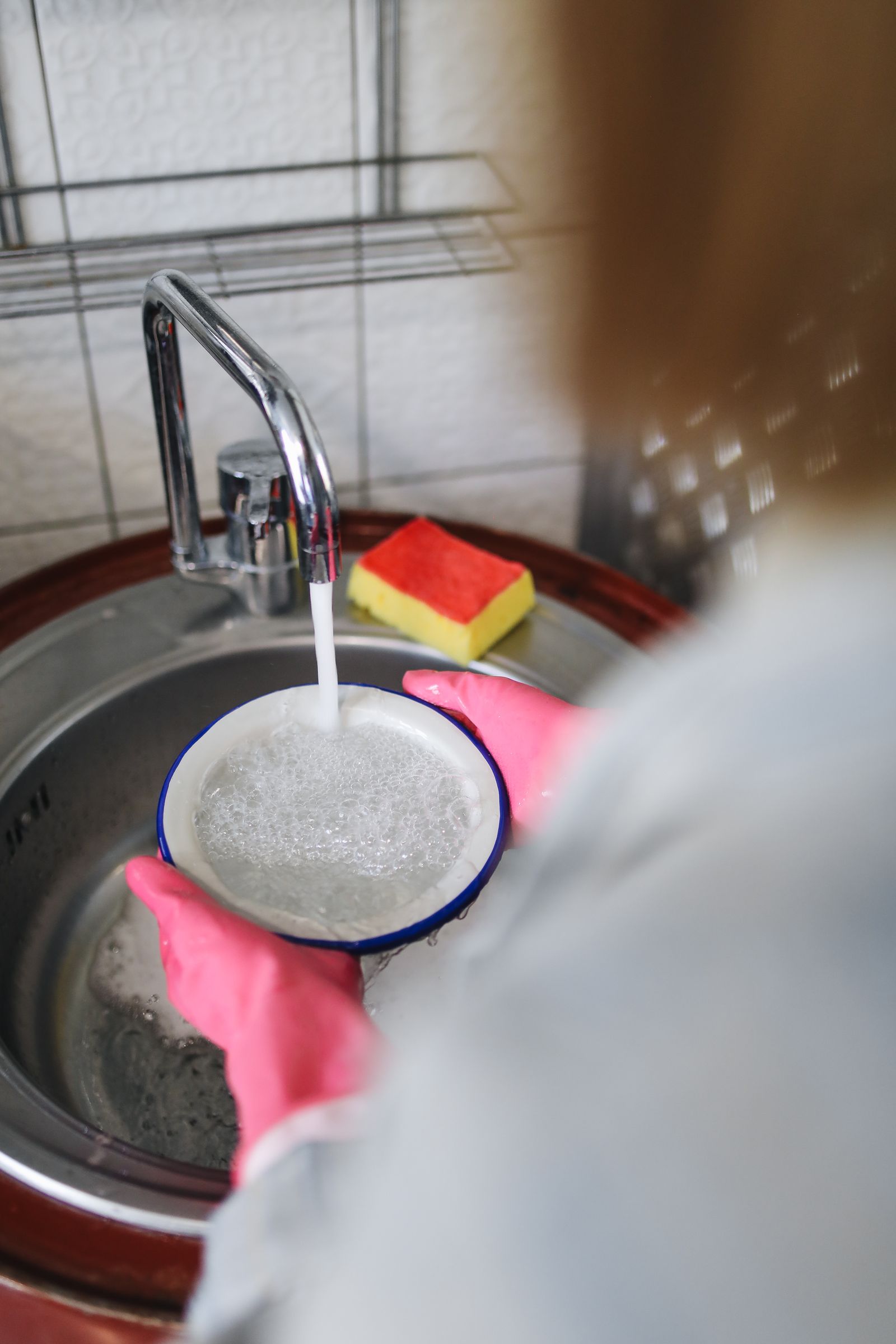
For hand washing, use a wash tub or sink cleared of human dishes and food. Scrub with hot, soapy water, including the outside, base, rim, and non-slip ring. Rinse thoroughly. A brush or sponge reserved for pet supplies reduces cross-contamination.
Disinfect safely
The CDC provides two broad options: a dishwasher sanitation cycle for safe items or a disinfecting method appropriate to the material. Its pet-supply infographic includes a diluted-bleach method of one-quarter cup bleach per gallon of water with a ten-minute soak, followed by thorough rinsing and drying. Check the current CDC instructions and the bleach label before use.
Never mix bleach with ammonia, vinegar, or another cleaner. Use ventilation and protective equipment directed by the label. Porous, cracked, deeply scratched, or non-washable items may be difficult to disinfect reliably; ask the recall company whether replacement is recommended.
Clean the storage bin correctly
- Remove every piece of food and dust.
- Wash the lid, seal, hinge, walls, corners, and bottom with hot soapy water.
- Rinse and disinfect using a material-safe method.
- Let the bin dry completely before adding new food.
- Wash the scoop separately, including its handle.
The FDA recommends keeping dry pet food in its original bag and placing the whole bag inside a clean container. The original package preserves the lot number, UPC, best-by date, manufacturer instructions, and contact details. Pouring multiple bags directly into one bin can mix lots and leave old fat or crumbs behind.
Do not forget the feeding area
Wash reusable feeding mats, wipe the floor, and clean nearby baseboards or cabinets if food splashed. Clean the sink and surrounding counter after washing pet supplies. Launder towels separately as appropriate and wash your hands for at least 20 seconds with soap and water.
Replace water after cleaning the water bowl. Do not let a pet lick disinfectant residue or enter the area until surfaces are rinsed or have completed the label’s required drying time.
Watch pets and people for symptoms
The recall notice will describe the relevant hazard. Salmonella, for example, can cause illness in animals that eat contaminated food and in people who handle the food or contaminated surfaces. A pet can sometimes carry and shed germs without obvious signs.
Contact a veterinarian if a pet that ate the recalled food becomes lethargic, vomits, develops diarrhea, loses appetite, or shows other symptoms listed in the notice. Tell the clinic about the recall before arriving. People who become ill should contact a healthcare professional and mention the exposure.
When cleanup is complete
- The recalled food is isolated, returned, or disposed of as directed.
- Label photographs and the recall notice are saved.
- Bowls, scoops, bins, mats, and contacted surfaces are cleaned.
- Disinfected items have been rinsed or dried as the label requires.
- Fresh food is in its original labelled bag inside a clean, dry bin.
- Everyone in the home knows not to use the recalled lot.